0
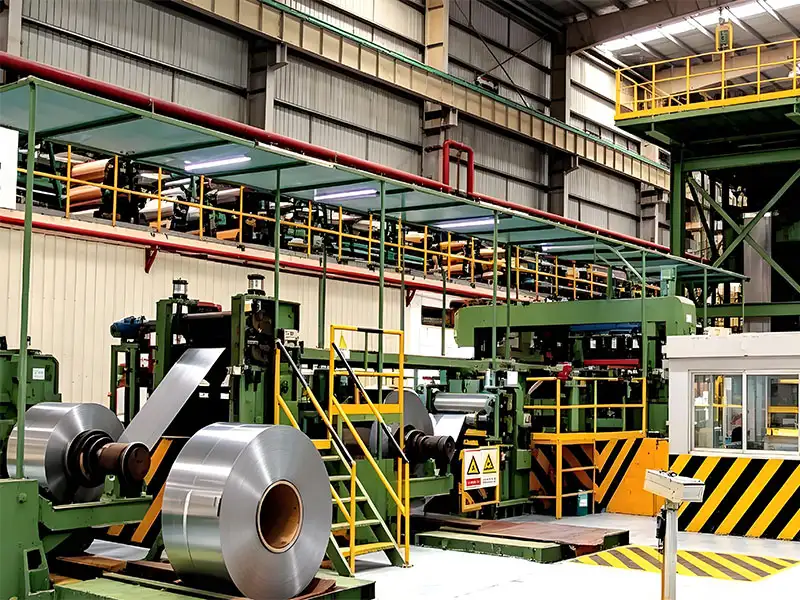
Production line
0
Engineer
0
Area
0
Annual Output



Contact customer service for details
Understand and provide requirements,evaluate the cycle
Produce sample according to customer requirements
If there are no issues with the sample test,will arrange for shipment. If there are any problems,will re-produce and test
Contact and communicate shipment details,prepare for the shipment
Adjust the price and large-scale purchases
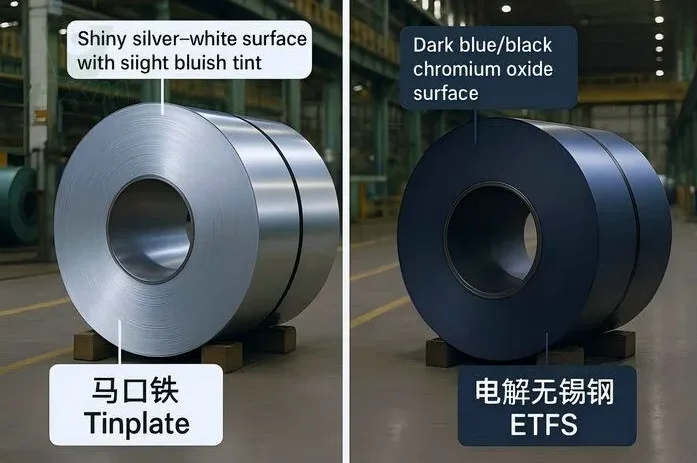
Q: What tinplate is and what it’s commonly used for?
A: Tinplate refers to thin steel sheets electroplated with a micro thin layer of tin. Thanks to its excellent anti-corrosion property and outstanding stamping performance, it’s widely applied in food cans, beverage cans, metal caps, cosmetic tins and general industrial packaging.
Q: Are food-grade tinplate safe to hold food products? A: Definitely safe. Our food-contact tinplate complies with global food safety regulations. The tin coating acts as a barrier between steel and food, with no harmful substances leaching out under regular storage conditions
Q: What aspects will impact the printing finish on tinplate surfaces?
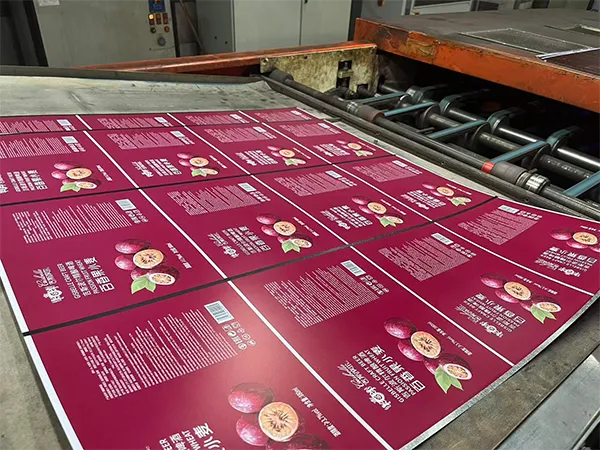
A: Several key points matter: tinplate surface roughness, pre-print surface cleaning & degreasing, ink adhesion, curing baking temperature and even coating coverage. Proper surface pre-treatment can significantly boost printing scratch resistance.
Q: Are tinplate tins recyclable after use?
A: Yes, tinplate is fully 100% recyclable metal. Reprocessing recycled tinplate consumes much less energy than virgin steel production, cutting down carbon footprint and raw material costs greatly.
Q: What’s the main difference between bright finish and matte finish tinplate?
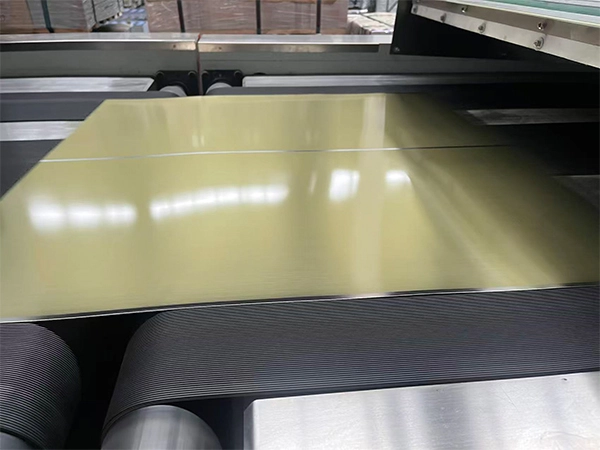
A: Bright tinplate has a glossy, reflective surface, ideal for high-shine printed luxury packaging. Matte tinplate comes with a frosted non-reflective texture, creating an understated premium look perfect for high-end food and gift tin boxes.